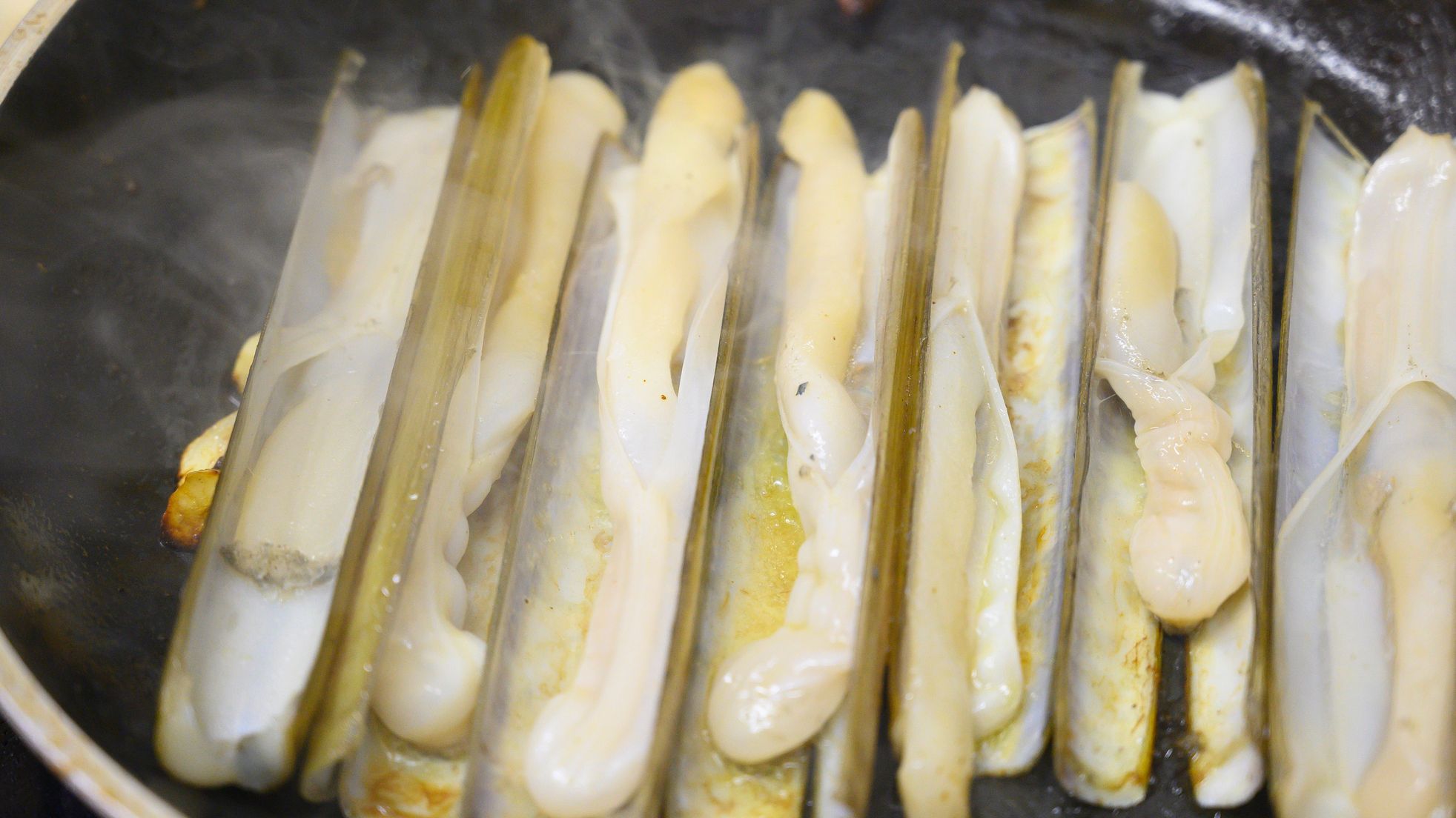
Nine people became ill in Tarragona after eating razor clams contaminated with norovirus at a restaurant, according to RTVE.es. The incident has led the European Union to issue a health alert over the affected shellfish.
Norovirus is highly contagious and causes acute gastroenteritis, though the illness is generally not severe. The cases date back to September, but Spain only reported them to the EU on 28 October.
Why it matters
The notification went through the Rapid Alert System for Food and Feed (RASFF), the EU's mechanism for flagging dangerous food and feed across member states. Spain used the system to identify the contaminated batches so they could be pulled from sale.
Catalonia's regional health department has confirmed that the products have already been removed from the market, RTVE.es reports. That means the immediate risk to shoppers appears to have been contained, but the case shows how quickly a single restaurant meal can escalate into a cross-border food safety matter.
What is known about the clams
According to RNE Catalunya, as cited by RTVE.es, the razor clams came from Andalusia and Portugal and were processed in the Terres de l'Ebre area of Catalonia. The route from source waters to processing to the plate spans several regions and two countries, which helps explain why the alert reached Brussels rather than staying local.
Norovirus illness typically lasts one to two days. In exceptional cases it can cause complications through fluid loss, particularly in babies, older people and those with weakened immune systems. Catalonia records roughly 30 outbreaks of the virus each year, according to RTVE.es.
The virus has also made news at sea this year: norovirus-related gastroenteritis led to several cruise ships being placed in confinement in Spain, RTVE.es notes.
A recurring pattern in shellfish
Bivalves such as razor clams filter large volumes of water and can concentrate contaminants, which makes them a recurring vehicle for norovirus when they are eaten raw or undercooked. The Spanish coverage of the outbreak reflects that risk profile, with EL PAÍS describing the clams as "poco cocinadas" — lightly cooked.
The timeline is worth noting. The illnesses occurred in September, the EU notification came on 28 October, and the withdrawal of the batches followed. Public health reporting systems often work this way: a cluster of cases at a restaurant is investigated locally, the source is traced, and only then does the information travel upward to national and European authorities.
For consumers, the practical takeaway from the Catalan health department's confirmation is that the implicated lots are no longer on sale. Anyone who bought razor clams in the affected period and still has them at home should check batch information against the RASFF notification.
What to watch: whether the RASFF alert is upgraded or extended to other member states, and whether additional cases linked to the same batches are reported.